September 28th, 2026
How Attorneys Use 2026 Speeding Enforcement Data in Crash Cases
Posted in: Personal Injury Tagged: R. Aron Benjamin
Why 2026 Speeding Data Is Reshaping the Maryland Boulevard Rule in Crash Claims
Key Takeaways: Maryland’s expanded speed enforcement in 2026 is creating records that may help prove fault after a crash. Because Maryland’s contributory negligence rule can bar recovery if an injured person shares any fault, evidence of speed can be especially important. In intersection cases, the boulevard rule usually requires drivers entering a favored road to yield, but speed data may help show whether the favored driver also contributed to the collision. Preserve records and get legal advice early.
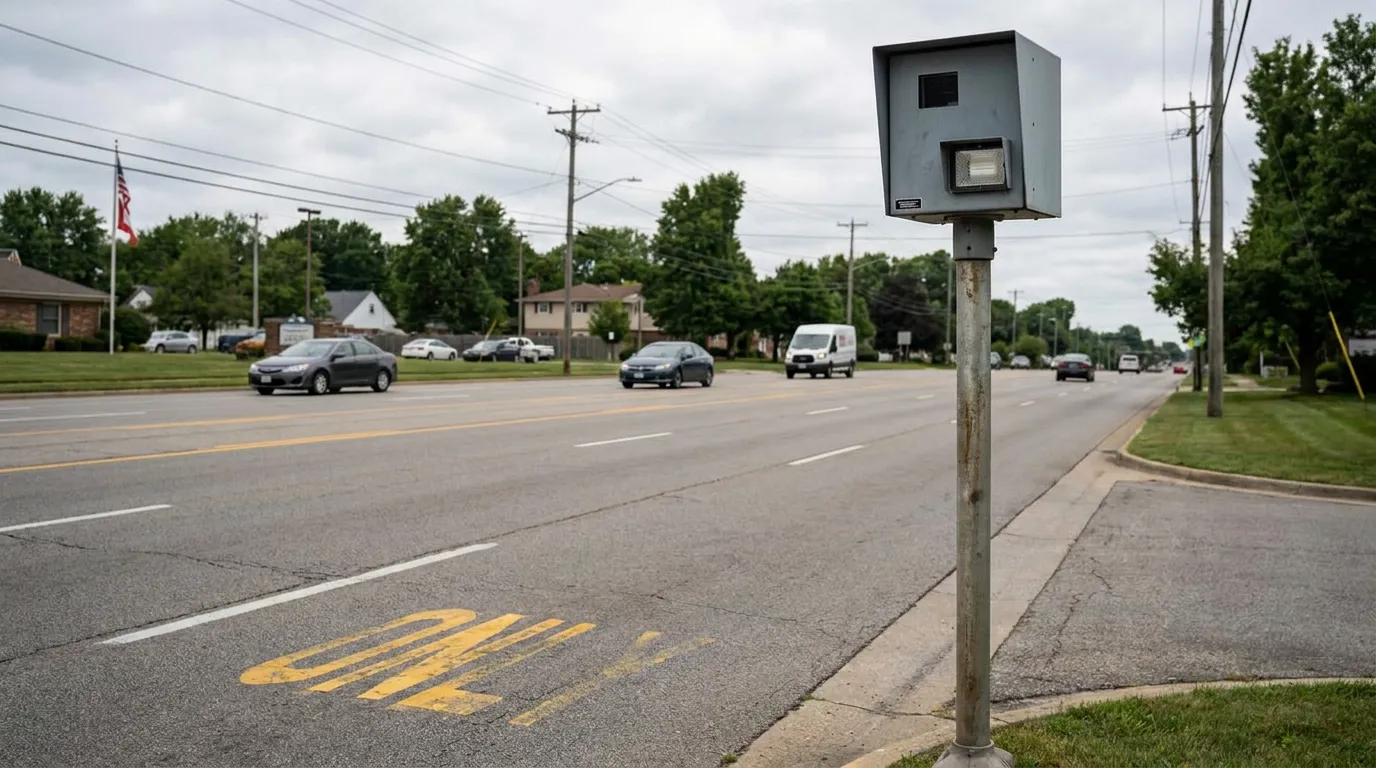
Maryland’s expanded speed enforcement in 2026 is producing citations, camera records, and traffic data that may become useful evidence after a crash. Knowing how attorneys use that information can help protect your claim.
The Legal Backdrop Behind 2026 Crash Claims
Maryland’s strict fault rule makes every piece of evidence count. Under contributory negligence, an injured person who contributed to the crash may be barred from recovering damages. That differs from comparative negligence, which reduces damages based on each party’s share of fault. Maryland does not use that approach.
Maryland is one of only a few states that still follows pure contributory negligence. Under the contributory negligence doctrine, even slight fault may bar a plaintiff from recovering.
What the Maryland Boulevard Rule Means for Intersection Crashes
The Maryland boulevard rule governs right of way where favored and unfavored roads meet. A driver entering from an unfavored road must stop and yield to traffic on the favored road. Failing to yield is generally considered negligence as a matter of law.
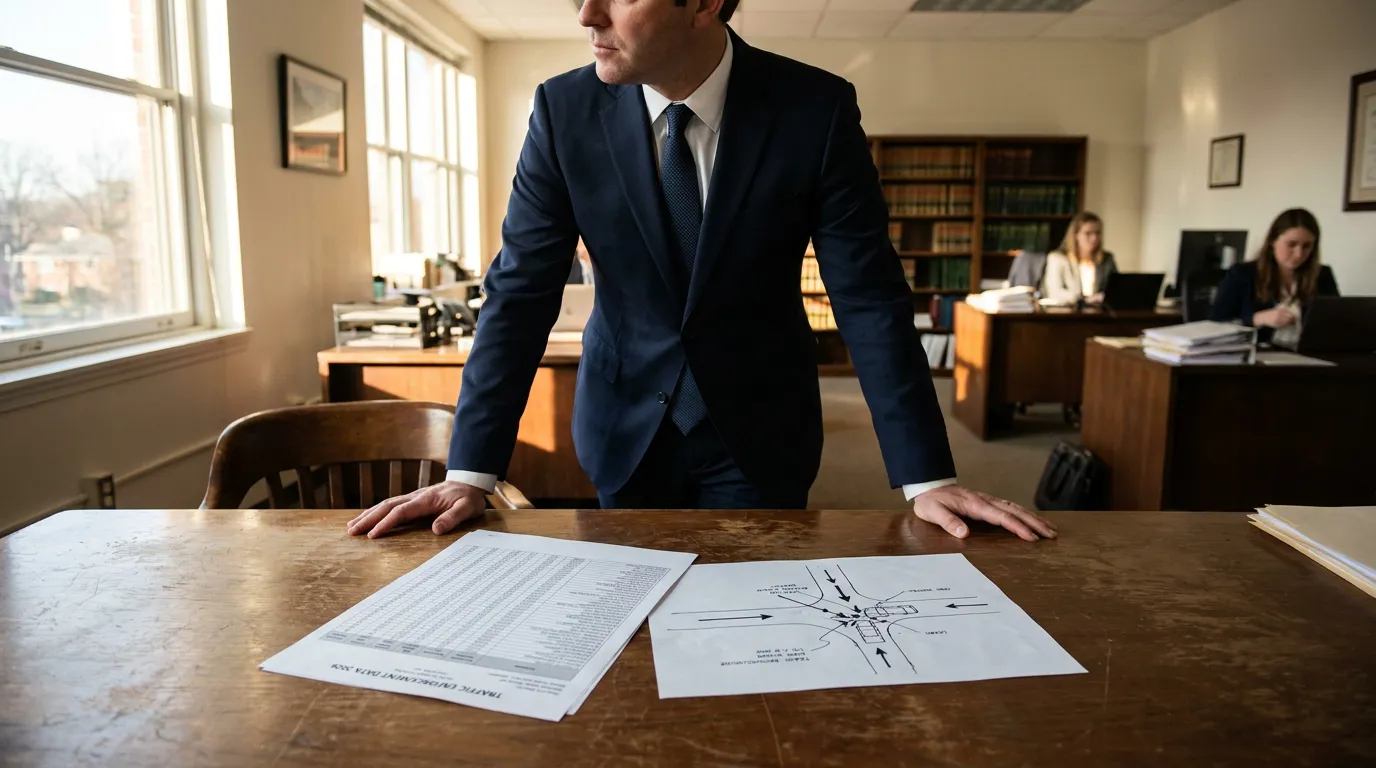
Speed data matters because the favored driver still must use reasonable care. Excessive speed does not automatically erase the right of way, but it may matter if it helped cause the crash or reduced either driver’s time to react. However, speed data does not automatically shift fault, but it can change the analysis. Reconstruction experts may use camera records, vehicle data, and roadway surveys to estimate speed and determine whether the favored driver could have avoided the crash.
A Realistic Scenario for a Commuter in Rockville
Imagine a driver leaving a shopping center who is hit while entering a busy road. The other car may have been speeding through a 2026 enforcement corridor, but the insurer argues that the boulevard rule places all fault on the entering driver.
Speed records could affect that dispute. Camera or enforcement data may help an expert estimate the other driver’s speed and assess whether it contributed to the collision. Speed alone rarely defeats the boulevard rule, and the outcome depends on the facts. These disputes arise in car, truck, and motorcycle cases across Maryland.
How Attorneys Turn Enforcement Data Into Proof of Negligence
A negligence claim requires proof of duty, breach, causation, and damages. Speed records may show a breach, reconstruction may connect it to the crash, and medical and wage records may establish damages.
Attorneys combine several categories of evidence to build a complete picture:
- Speed camera citations and high-visibility enforcement records near the crash site
- Vehicle event data recorder readings showing pre-impact speed
- Police reports and written accident reports filed after the collision
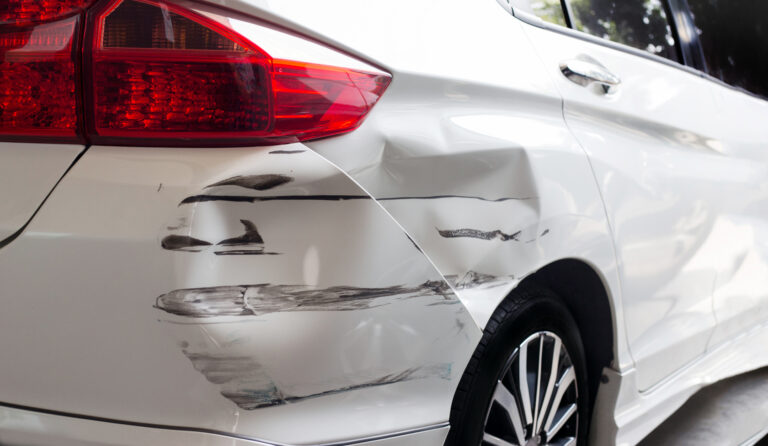
- Photographs, skid-mark measurements, and roadway survey data
- Medical records and bills documenting injury compensation needs
Maryland’s reporting requirements can also create useful records. Drivers involved in crashes causing injury or death generally must file a written report with the Motor Vehicle Administration within 15 days unless police have already investigated and filed one. Drivers may also need to provide proof of required liability insurance.
Additional duties apply when a driver hits unattended property. Under Maryland law, the driver must stop nearby without unnecessarily blocking traffic, try to find the owner, and provide identifying information. Those steps may help reconstruct what happened.
Why Documentation Matters So Much Under Maryland’s Fault Rule
Because even slight fault can bar recovery, documentation often makes the difference. Keep medical records, proof of lost income, photos, dashcam footage, and reporting records to build a clear timeline.
Deadlines vary. Most Maryland personal injury claims must be filed within three years of the injury, while crash-reporting and administrative deadlines are separate. Exceptions are limited and fact-specific, so confirm the dates early.
How Does This Impact Me?
Enforcement data can provide objective evidence about how fast another driver was traveling. That information supports accident reconstruction and helps show a breach of duty. Whether it helps your specific claim depends on the facts and available records.
- Can Speeding Evidence Overcome the Maryland Boulevard Rule?
Not by itself. Speed may matter if it helped cause the crash, but it rarely defeats the favored driver’s right of way on its own. The result depends on the specific facts.
- Does This Change My Deadline to File a Claim?
No. Enforcement programs do not change Maryland’s civil filing deadlines, and crash-reporting deadlines are separate. Confirm all applicable dates early.
- What Should I Do After a Crash Involving a Speeding Driver?
Get medical care and preserve evidence. Save photos, records, and citation information, and report the crash as required.
- Do I Need an Attorney to Use This Data?
An attorney can help interpret the records, hire a reconstruction expert, and address disputed fault. The right approach depends on the facts of your case.
Putting Maryland’s 2026 Crash Evidence in Perspective
Speed-enforcement data can strengthen a negligence claim, but it must be considered alongside Maryland’s boulevard rule and strict contributory negligence standard. Good records, careful analysis, and timely action remain essential. Stein Sperling brings more than 47 years of experience to Maryland car accident cases.
If you are facing disputed liability after a crash, Stein Sperling can help. Call 301-340-2020 or contact us to discuss your options.